

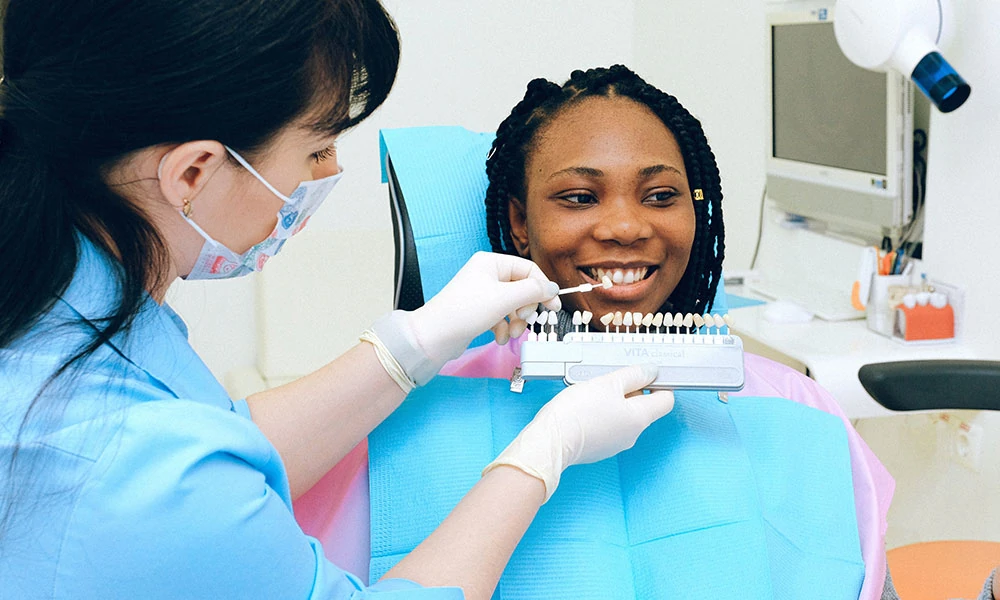
Missing teeth can change chewing, speech, and facial balance. A south anchorage dental clinic can assess those changes before treatment begins. Implant choices depend on bone condition, tooth location, bite pressure, and restoration needs. Each factor shapes the final plan. As a result, understanding those choices helps patients approach treatment with clearer expectations.
Dental Implants Replace More Than Missing Teeth
An implant replaces the root beneath an artificial tooth. That structure gives the replacement a stable foundation. The crown then restores the visible portion above. Together, both parts support everyday chewing and speaking. The surrounding jaw also receives functional pressure through placement.
A clinical assessment considers several details before selecting components:
- Bone levels support the planned implant.
- Gum tissue provides healthy surrounding coverage.
- Bite pressure guides the restoration choice.
- Nearby teeth influence available treatment space.
Single Tooth Treatment Has Specific Needs
One missing tooth often requires one implant and crown. The location affects both placement and restoration design. Front teeth demand careful attention to shape and shade. Back teeth require stronger resistance against regular chewing forces. Therefore, the final crown should match its position.
A well-planned replacement also considers neighboring teeth. Their position can affect spacing around the new crown. Proper spacing helps maintain easier cleaning and comfortable biting. That makes planning important before the implant enters treatment.
Several Missing Teeth Need Another Approach
Multiple gaps can require a different restorative design. An implant-supported bridge may replace adjacent missing teeth. Several implants can support a larger fixed restoration. The selected method depends on available bone and bite demands.
Patients comparing options may click here for additional treatment information. Clear guidance can make complex choices easier to understand. The key remains matching each restoration with individual needs.
Bone Condition Can Change Implant Planning
Tooth loss can reduce supporting bone over time. Reduced bone volume may affect implant placement. In such cases, grafting can rebuild selected areas first. Healing time then becomes part of the overall schedule.
Not every patient needs that additional step. Imaging and examination can reveal existing bone dimensions. Those findings help determine whether preparation makes sense. Consequently, treatment planning should begin with anatomy rather than assumptions.
What Makes An Implant Crown Suitable?
The crown must handle daily function while looking natural. Material selection affects strength, appearance, and surface characteristics. Front restorations often need careful color matching. Posterior crowns need dependable support against stronger chewing pressure.
Bite alignment also influences long-term comfort. Even pressure helps reduce unnecessary strain around replacement teeth. For this reason, crown design should follow implant positioning. Both stages need to work together from the beginning.
A Precise Plan Shapes The Final Result
An implant decision begins long before placement. Bone measurements, tooth position, and bite forces create the treatment picture. A front crown may need delicate contouring, while a rear crown needs greater strength. That difference shows why implant treatment is personal. The missing tooth starts the process, but its surrounding conditions shape the result.
