

- INTRODUCTION
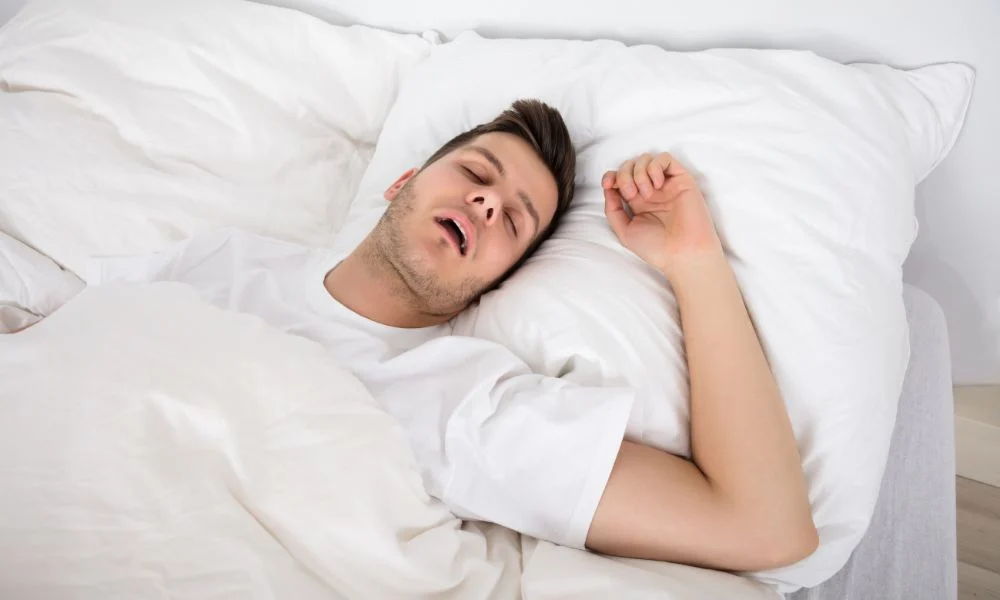
Do you often wake up feeling tired even after a full night’s sleep? Do you struggle with low energy throughout the day, no matter how much rest you get? If so, you may be dealing with a common but often overlooked condition called sleep apnea. This sleep disorder not only affects how well you sleep but can also lead to chronic fatigue, making it hard to stay active and focused.
- UNDERSTANDING SLEEP APNEA
When breathing repeatedly stops and resumes while you’re asleep, you have sleep apnea. sleep apnea symptoms often include loud snoring, gasping for air during sleep, and excessive daytime fatigue. Obstructive sleep apnea, the most prevalent kind, is brought on by excessive throat muscle relaxation that obstructs the airway. Several factors can contribute to this condition, including obesity, smoking, alcohol use, and certain medical conditions. Even a small amount of weight loss can reduce symptoms.
- WHAT IS CHRONIC FATIGUE?
Feeling exhausted is not the only symptom of chronic fatigue syndrome (CFS). It’s a long-term condition that causes deep exhaustion, muscle pain, headaches, and trouble concentrating. The fatigue doesn’t go away even after rest and often makes everyday activities difficult. People living with chronic fatigue may find their energy unpredictable—some days they may feel fine, while on others they can barely function.
- THE CONNECTION BETWEEN SLEEP APNEA AND FATIGUE
Sleep apnea and chronic fatigue are closely linked. Poor-quality sleep apnea means your body never fully rests, leading to persistent tiredness and lack of energy during the day. Symptoms of these disorders include diminished productivity, mood changes, and difficulty concentrating.
- TREATMENT AND MANAGEMENT
Addressing sleep apnea can greatly improve energy levels and reduce fatigue. The most popular treatment is Continuous Positive Airway Pressure (CPAP) therapy, which uses a mask that continuously applies air pressure to keep airways open. Other treatments include oral appliances, weight management, or surgery in severe cases.
For managing chronic fatigue, lifestyle changes play a major role. A balanced diet, regular exercise, and staying hydrated can help increase stamina. Gentle physical activities such as walking or yoga are particularly beneficial.
- BUILDING BETTER SLEEP HABITS
Improving sleep hygiene can also make a big difference. Try to:
- Every day, go to bed and wake up at the same time.
- Avoid caffeine or heavy meals close to bedtime.
- Keep your bedroom cool, dark, and quiet.
- Before going to bed, engage in a calming activity such as reading or meditation.
- SEEKING PROFESSIONAL HELP
See a sleep medicine professional if you suffer from loud snoring or persistent fatigue. To diagnose sleep apnea, they can conduct tests such as a sleep study. Sometimes, a team of doctors, including nutritionists, psychologists, and physical therapists, may work together to create a personalized care plan.
- CONCLUSION
Sleep apnea doesn’t just disturb your nights—it can drain your days, too. By identifying and treating it early, you can prevent chronic fatigue and restore your energy. Easy changes, including better sleep hygiene, managing your stress, and following medical advice can have a significant impact.
Remember, good sleep isn’t a luxury—it’s essential for a healthy and energetic life.
