

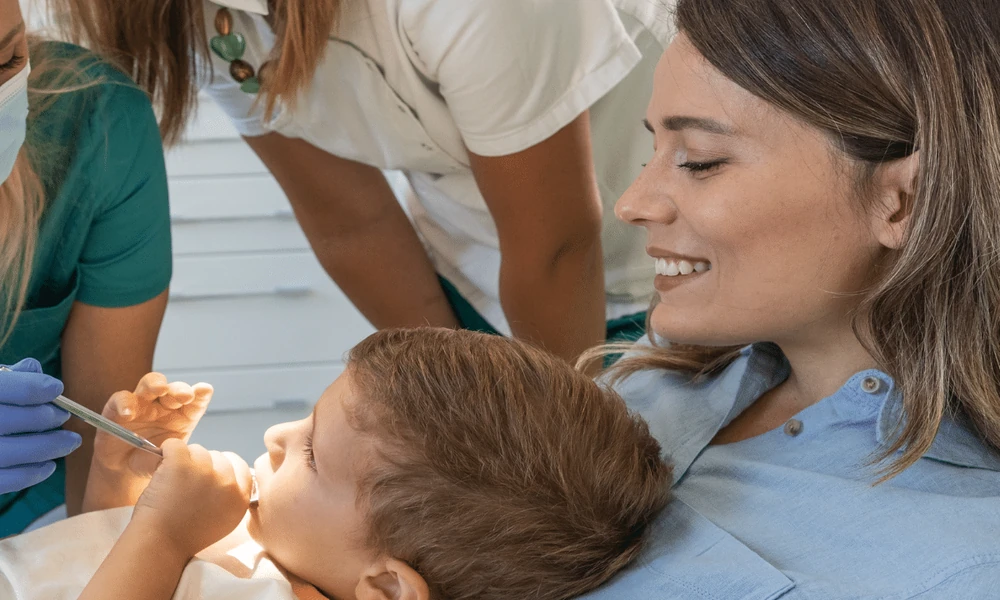
You might be trying to balance a lot at once. One child is due for a cleaning, a teenager needs help with sports mouthguards or braces, and an older parent may be dealing with dry mouth, gum problems, or missing teeth. When every age brings a different need, finding the right Scarborough dentist and managing dental care can start to feel like one more thing you have to organize and worry about. That pressure is real, especially when you want the best for everyone and do not want small issues to turn into bigger ones.
The good news is that a family dentist does not treat every patient the same way. A thoughtful provider builds care around age, habits, health history, risk factors, and comfort level. In simple terms, How Family Dentists Create Personalized Plans For Every Generation comes down to one idea. Care works better when it fits the person, not just the appointment slot.
Why does a family dentist plan care differently for children, teens, adults, and seniors?
At first glance, a cleaning may seem like a cleaning. But if you look closer, the goals are different at every stage of life. A young child may need help learning brushing habits and getting comfortable in the chair. A teenager might face a higher risk of cavities because of sports drinks, snacks, or orthodontic appliances. Adults often deal with stress, teeth grinding, or delayed treatment because life gets busy. Older adults may need support for gum recession, medication related dry mouth, or denture care.
Because of that, a personalized family dental care plan usually starts with a full picture of the patient. That includes medical history, current concerns, home habits, diet, past dental work, and how often problems tend to come back. A dentist may also look at cavity risk, gum health, bite alignment, and how confident someone feels about home care. When these pieces come together, treatment becomes more focused and more realistic.
So, where does that leave you if your household has very different needs? It means one office can often coordinate care in a way that feels less scattered. Instead of one-size-fits-all advice, each family member gets guidance that matches real life.
What problems can happen when dental care is not tailored to each generation?
When care is too general, important details get missed. A child who is prone to cavities may need more frequent checkups, fluoride support, and parent coaching. The CDC’s oral health tips for children highlight how early habits and preventive visits can shape long term health. If that child gets the same plan as a low risk sibling, decay can sneak up fast.
Teens often need a different conversation. They may brush quickly, skip flossing, or feel self conscious about their smile. If they play contact sports, mouth protection matters. If they have braces or aligners, home care gets more complex. A standard lecture usually does not help much. Clear, age-appropriate guidance does.
Adults face a different kind of strain. You may put off treatment because of work, money, or family demands. Then a small cavity turns into pain, or mild bleeding gums become a larger issue. The National Institute of Dental and Craniofacial Research oral hygiene guidance reminds people that daily brushing, flossing, and routine visits still matter, even when life is crowded.
For older adults, the stakes can shift again. Gum disease, worn dental work, and dry mouth linked to medications can affect comfort, eating, and speech. The NIDCR guidance for older adults points out that aging does not mean you stop needing preventive dental care. In fact, regular monitoring can become even more important.
What does a personalized dental plan actually include?
A tailored plan usually blends prevention, timing, and practical support. That may mean different recall schedules, fluoride treatments, sealants for children, nightguards for adults who grind their teeth, or gum care plans for seniors. It can also include coaching that fits the person. A six year old may need playful brushing cues, while an adult may need a simpler routine they can stick with on busy mornings.
In many cases, custom dental plans for families also help with long term budgeting. When a dentist tracks risk early, treatment can often be spaced out, prioritized, or prevented altogether. That does not remove every expense, but it can reduce surprise problems and make decisions feel less rushed.
| Generation | Common Concern | Personalized Focus | Why It Helps |
|---|---|---|---|
| Children | Cavities, fear of visits, brushing habits | Sealants, fluoride, parent guidance, shorter positive visits | Builds trust and lowers early decay risk |
| Teens | Braces care, sports injuries, diet choices | Mouthguards, hygiene coaching, cavity monitoring | Protects teeth during a high risk stage |
| Adults | Grinding, delayed care, gum issues | Nightguards, treatment planning, periodontal checks | Catches problems before they grow |
| Older Adults | Dry mouth, tooth loss, gum recession | Medication review, denture care, soft tissue checks | Supports comfort, function, and oral health |
How can you start building a better plan for your family right now?
1. List each person’s current needs. Write down recent pain, sensitivity, bleeding gums, orthodontic treatment, medications, and daily habits. Even a short list helps a family dentist spot patterns and risks faster.
2. Ask what prevention should look like for each age. Not everyone needs the same visit schedule or the same at home routine. Ask which steps matter most right now for each family member, and why.
3. Make the plan realistic. The best family dentist plan is one your household can follow. If flossing every night is a struggle for your child, ask for alternatives that still move things forward. If cost is a concern, ask which treatments should come first and which can be monitored.
What should you remember as your family’s needs keep changing?
Dental needs do not stay still, and that is exactly why personalized care matters. What worked for your child two years ago may not fit now. What your parent needed before a medication change may be different today. A strong plan grows with your family and makes room for those shifts without judgment.
When you choose a provider who sees the whole picture, dental care can feel less overwhelming and more manageable. If you are ready to move from guesswork to a plan that fits each stage of life, schedule a visit and ask how care can be tailored for every member of your household.
