

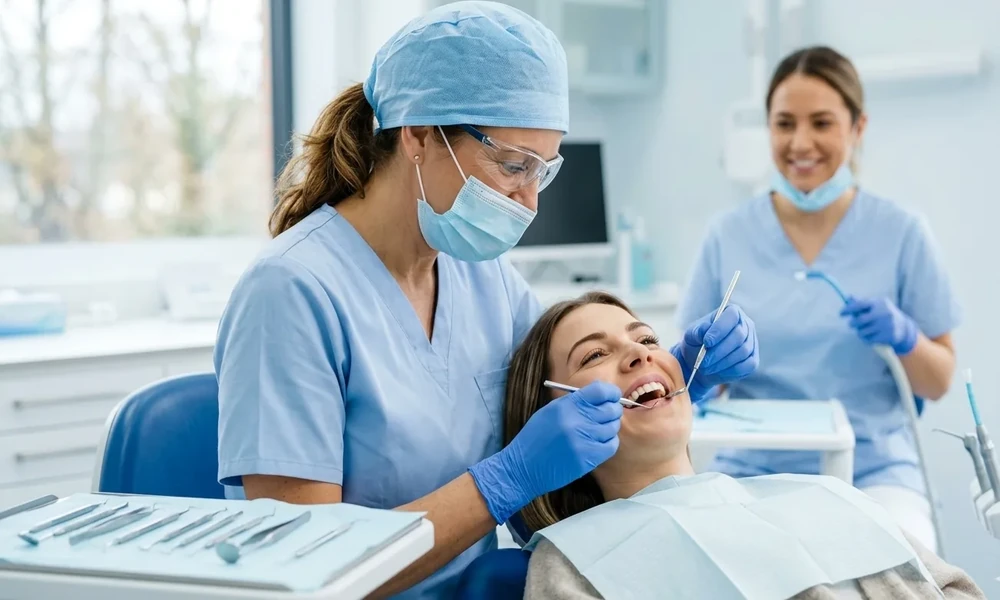
You brush, you floss when you can, and you probably notice the little things other people miss, a faint stain near the gumline, a chip that catches the light, a smile that does not look as even as it used to. That quiet worry is common. Most people think of cosmetic dentistry when something already looks wrong, but the better result often starts much earlier, before the damage is obvious. If you are searching for a Charlotte dental clinic near Huntersville, early guidance can make all the difference.
Preventive dental exams protect more than your teeth. They protect the look of your smile, the comfort of your bite, and the cost of fixing problems later. Small issues such as enamel wear, early decay, gum inflammation, and grinding can change the color, shape, and balance of your teeth long before they cause pain. Catching those changes early gives a family and cosmetic dentist more options, and those options are usually simpler, cleaner, and less expensive.
Preventive dental exams preserve the foundation of cosmetic dentistry
People often separate health from appearance, as if one is practical and the other is optional. Your mouth does not work that way. Cosmetic results depend on healthy gums, stable enamel, good bite alignment, and teeth that are strong enough to support whitening, bonding, veneers, or reshaping. If the foundation is weak, the cosmetic work does not last as well and may not look natural.
That is why preventive dental exams matter. A routine exam can uncover plaque buildup in areas you cannot see, early cavities between teeth, gum recession, or signs that you are clenching at night. Those problems may seem small, but they affect how your smile looks. Receding gums make teeth appear longer. Enamel loss can make teeth look dull or uneven. Untreated decay can darken a tooth from the inside. Grinding can flatten edges and create tiny cracks that change the shape of your smile.
A cosmetic dental exam is not only about deciding whether you want a brighter or straighter smile. It is also about checking whether your teeth and gums are ready for cosmetic treatment, or whether early care can prevent the need for more involved work later.
Small untreated problems often become visible cosmetic concerns
You may not feel early gum disease, and you may not see the first stage of enamel erosion. That is part of the problem. Dental changes often stay quiet until they become harder to hide. A little bleeding when you floss can turn into swollen gums that affect the symmetry of your smile. A rough edge on one tooth can become a chip that stands out in photos. A minor cavity can weaken a tooth enough that a simple filling is no longer enough.
This is where delay gets expensive. If discoloration is caused by decay or thinning enamel, whitening alone will not fix it. If a tooth has worn down from grinding, cosmetic bonding may help, but the bite issue still needs attention or the repair may fail. If gum disease is active, veneers or crowns may not sit well over time because the tissue around them keeps changing.
Regular exams give your dentist a chance to stop the chain reaction early. The Centers for Disease Control and Prevention shares practical oral health tips for adults that support this exact goal, keeping the mouth healthy enough to prevent both disease and visible damage. MedlinePlus also explains what happens during a dental exam, including checks for decay, gum problems, and other changes that can affect appearance as much as health.
Preventive care gives cosmetic treatments better longevity and a more natural look
When your dentist sees you regularly, they can track subtle changes over time. That matters because cosmetic dentistry is rarely one isolated decision. It is a sequence. First the mouth is stabilized, then appearance is improved, then the result is maintained. If each step supports the next, the outcome usually looks more natural and lasts longer.
Think about whitening. It works best on clean teeth with healthy gums and no untreated cavities. Think about bonding or veneers. They look better when the surrounding teeth are free from active wear and the gumline is even. Think about replacing old dental work. Matching color and contour is easier when the underlying tooth is still healthy and the damage has not spread.
Routine dental checkups for cosmetic health are often what keep a minor correction from turning into a major restoration. That is the part many people do not hear enough about.
Comparing early preventive care with delayed treatment
| Situation | Found Early at a Preventive Exam | Found After It Becomes Noticeable |
|---|---|---|
| Surface stain and plaque buildup | Professional cleaning and home care changes may restore brightness | Heavier staining may need whitening or polishing to improve appearance |
| Small cavity between teeth | Simple filling with less effect on tooth shape | Larger repair or crown if structure weakens or discoloration spreads |
| Early gum inflammation | Cleaning and improved hygiene may restore a healthier gumline | Recession or uneven tissue can change smile symmetry and need more treatment |
| Teeth grinding | Night guard and bite review may prevent edge wear and cracks | Chips, flattening, and fractures may require bonding, crowns, or other cosmetic dentistry |
Three steps you can take right away
Schedule an exam before choosing cosmetic treatment. If you have been focused on whitening, straightening, or fixing one tooth that bothers you, start with a full exam. It helps you find out whether the real issue is stain, decay, wear, gum changes, or bite stress.
Pay attention to small visual changes. A tooth that looks darker, shorter, rougher, or more sensitive is giving you useful information. So are gums that bleed, swell, or pull back. These changes often show up before pain does.
Ask for a prevention based cosmetic plan. A good plan does not jump straight to appearance. It protects enamel, stabilizes gums, checks your bite, and then considers cosmetic options that fit your goals and budget.
Protecting your smile starts earlier than most people think
If you have been putting off a dental visit because nothing hurts yet, that makes sense, but it is also how cosmetic problems gain ground. The best looking smiles are usually maintained, not rescued. Preventive visits give you more control, more treatment choices, and a better chance of keeping your natural teeth looking strong and balanced for years.
When you are ready, book an appointment with a family and cosmetic dentist and get clear answers about what your smile needs now, before small issues become bigger cosmetic repairs.
