

Key Takeaways
- A lymphatic drainage facial focuses on fluid movement rather than deep cleansing or exfoliation.
- Not all skin types require it, but many can benefit under the right conditions.
- Those with puffiness, fluid retention, or dull tone often see more noticeable effects.
- It should be selected based on skin condition, not trend or frequency.
- A facial clinic may combine lymphatic drainage with other treatments depending on needs.
Introduction
A lymphatic drainage facial is often presented as a solution for puffiness and poor circulation, but it is not a universal answer for all skin concerns. Unlike traditional treatments that focus on extraction, exfoliation, or hydration, this method works by stimulating lymph flow beneath the skin. The question is whether every skin type benefits equally from this approach, or whether its value depends on specific conditions. Clinics offering a facial in Sengkang frequently include lymphatic techniques in treatment menus, but the suitability varies more than many expect.
How Lymphatic Drainage Works on the Skin
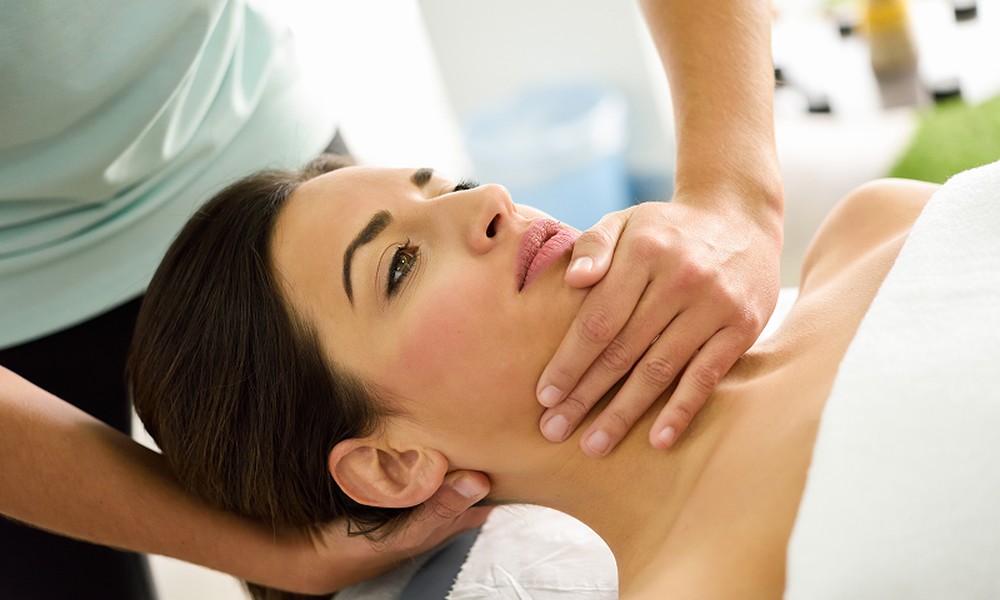
The lymphatic system plays a role in removing excess fluid and waste from tissues. A lymphatic drainage facial uses light, directional movements to encourage this process. The pressure applied is minimal compared to standard massage techniques, as the goal is not muscle manipulation but fluid movement. Once performed correctly, it can reduce visible swelling and improve skin tone by minimising fluid stagnation. However, this mechanism means the treatment is not designed for all skin concerns. It does not directly address clogged pores, pigmentation, or structural ageing, which are often the primary reasons individuals book a facial.
Skin Types That Commonly Benefit
Individuals with oily or combination skin may benefit indirectly if fluid retention contributes to congestion. For instance, by improving drainage, the skin may appear less swollen, which can reduce the prominence of clogged areas. Those with dull or tired-looking skin also tend to respond well, as improved circulation can create a more even appearance. Meanwhile, in cases where puffiness is linked to lifestyle factors such as lack of sleep or high sodium intake, a lymphatic drainage facial can produce short-term visible changes. These outcomes explain why many providers of facial services recommend it as part of maintenance routines rather than a standalone solution.
Skin Types That May See Limited Results
Dry or dehydrated skin does not always respond significantly to lymphatic drainage alone. Since the treatment does not introduce moisture or repair the skin barrier, its effects can be subtle unless combined with hydrating steps. Similarly, individuals dealing with acne caused by bacteria or hormonal imbalance may not see direct improvement, as the treatment does not target the root cause. Sensitive skin can tolerate the light pressure used in a lymphatic drainage facial, but the benefits are often limited to a temporary reduction in redness or swelling. A standard facial that includes targeted serums or barrier-repair methods may be more appropriate in these cases.
When It Makes Sense to Include It
The treatment is most effective when used alongside other procedures rather than as a primary solution. For example, it can be added before or after extraction to reduce swelling, or integrated into a routine focused on maintaining skin balance. Frequency also matters; overuse does not necessarily increase results and may lead to diminishing returns. Professionals offering a facial typically assess factors such as fluid retention patterns, lifestyle habits, and existing skin concerns before recommending it. This approach ensures the lymphatic drainage facial is used where it adds value rather than being applied as a default step.
Conclusion
Not all skin types benefit equally from a lymphatic drainage facial, as its effectiveness depends on the underlying concern. It is most relevant for individuals experiencing puffiness, fluid retention, or uneven tone linked to circulation issues. Meanwhile, for other conditions, such as dehydration or acne, it plays a supporting role at best. Choosing the right treatment requires matching the method to the problem rather than assuming universal benefit.
Visit Fresver Beauty and see whether a lymphatic drainage facial is the missing step for your skin-or an unnecessary one.
