

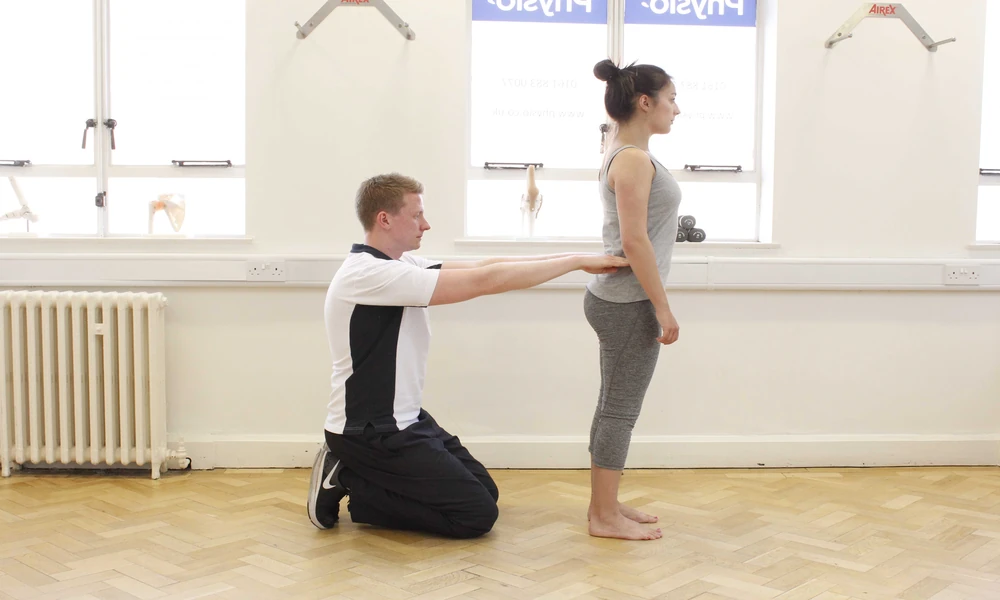
Movement analysis plays a crucial role in maintaining physical health. It helps to identify the underlying causes of discomfort and pain in the body. By evaluating how individuals move, professionals can pinpoint issues that may lead to long-term problems.
A comprehensive examination of body mechanics during everyday activities and intense workouts can reveal vital information. This insight is essential for anyone looking to enhance their movement efficiency. Understanding one’s body is the first step towards achieving a more active and pain-free lifestyle.
This guide will delve into how movement analysis can be a valuable tool. It can assist in minimising the risk of chronic discomfort and promoting overall well-being. Embracing this knowledge can lead to improved performance and a healthier future.
Key Takeaways
- Movement analysis is essential for identifying pain sources.
- It provides insights into body mechanics during activities.
- Understanding movement can enhance efficiency.
- This process aids in reducing the risk of long-term issues.
- It promotes a healthier and more active lifestyle.
Overview of Biomechanical Assessments
Evaluating movement patterns is essential for achieving optimal physical well-being. These assessments provide a detailed understanding of how the body functions during various activities. By focusing on the mechanics of movement, professionals can identify areas that may lead to discomfort or pain.
In the UK, clinics like Gosforth Physio & Wellness offer comprehensive evaluations to pinpoint the causes of pain and improve movement efficiency. The Physio Box in Kensington has received over 370 positive reviews, showcasing the effectiveness of their approach.
A thorough examination often includes gait analysis, which assesses how lower limbs function during movement. This analysis helps to identify any abnormalities in the walking cycle. By evaluating joint range of motion and muscle strength, these assessments aim to reduce the risk of future injuries.
| Clinic Name | Location | Reviews | Focus Area |
|---|---|---|---|
| Gosforth Physio & Wellness | Newcastle | N/A | Body mechanics analysis |
| The Physio Box | Kensington | 370+ | Biomechanical assessments |
Understanding how the body moves can lead to improved long-term health and address the underlying causes of persistent pain.
Step-by-Step biomechanical physiotherapy assessment for injury prevention
Understanding how we move is vital for maintaining our physical health. A typical assessment at clinics like Physio.co.uk takes between 45 and 60 minutes, depending on individual goals. During this time, a physiotherapist observes gait and movement patterns to identify muscular imbalances that could lead to discomfort during training.
Advanced motion analysis technology is employed to quantify movement asymmetries. This helps athletes and active individuals minimise their risk of injuries. Each assessment includes a personalised plan tailored to correct these imbalances and enhance overall movement.
With the right guidance, you can start your journey towards pain-free movement and improved performance. Book your appointment today to take the first step!
Analysing Movement Mechanics and Performance
Understanding the intricacies of movement is key to enhancing physical performance. This analysis helps identify how the body interacts with various forces during activities. By focusing on these mechanics, clinicians can better understand how to optimise training regimens.
Evaluating the lower limb is particularly important. It involves checking the alignment of the pelvis, knees, and feet. This ensures efficient force absorption during training, which is vital for athletes.
Understanding Kinetic and Kinematic Factors
Identifying kinetic imbalances is crucial for athletes aiming to improve their performance. By analysing how the body handles load, professionals can target specific areas of weakness. This approach helps reduce the risk of recurring injuries.
The Role of Lower Limb Evaluation
Advanced motion analysis allows for a deeper understanding of how kinematic factors influence performance. Giuseppe at The Physio Box has successfully assisted patients in recovering from complex rugby injuries by analysing their specific movement mechanics.
| Focus Area | Importance | Outcome |
|---|---|---|
| Lower Limb Alignment | Ensures proper force absorption | Reduces risk of injuries |
| Kinetic Imbalances | Identifies weaknesses | Improves performance |
| Kinematic Analysis | Enhances understanding of movement | Optimises training |
Practical Guidance From The Physio Practice UK
Understanding the mechanics of movement is crucial for optimal health. The Physio Practice UK offers expert guidance on implementing assessments to ensure that your training and fitness goals are met safely.
Clinics like Physio.co.uk are open Monday to Friday, from 8am to 8pm, providing flexible access to professional care for your movement health. This accessibility is vital for those seeking to improve their physical well-being.
Effective implementation of these assessments involves identifying high-risk areas of the body. A qualified physiotherapist will use data from your assessments to create a plan that reduces pain and prevents future injuries.
“Integrating findings into your daily routine is essential for maintaining optimal fitness.”
By following targeted exercises, you can enhance your performance and ensure your body is prepared for physical challenges.
| Key Focus Areas | Importance | Recommended Actions |
|---|---|---|
| High-Risk Areas | Identifies potential problems | Prescribe targeted exercises |
| Data Utilisation | Informs treatment plans | Customised training strategies |
| Routine Integration | Maintains fitness | Daily exercise regimen |
Personalised Strategies and Treatment Involvement at The Physio Practice
Understanding how the body functions during movement is vital for overall health. At The Physio Practice, patients receive customised exercise regimens tailored to their specific needs. These regimens are designed to address the findings from their assessments, ensuring that every aspect of their treatment is unique.
A dedicated physiotherapist collaborates with patients over time, adapting the treatment plan as their fitness improves. This ongoing involvement is crucial, especially for athletes returning to sport after an injury. The focus is on restoring safe movement patterns, which is essential for long-term success.
By committing to these exercises today, individuals can significantly reduce their risk of future injuries. Moreover, this approach enhances overall athletic performance. The team at The Physio Practice is committed to tailoring every aspect of treatment to align with the body’s unique needs and recovery goals.
“A personalised approach is key to achieving optimal outcomes in fitness and health.”
| Focus Area | Importance | Recommended Actions |
|---|---|---|
| Customised Regimens | Addresses individual needs | Regular updates to the plan |
| Ongoing Support | Ensures safe movement | Continuous physiotherapist involvement |
| Exercise Commitment | Reduces future risks | Daily exercise adherence |
Conclusion
Recognising the importance of movement is essential for maintaining overall health. A professional assessment is a vital tool for anyone looking to understand their body and reduce the risk of future injuries. By identifying movement inefficiencies early, individuals can take proactive steps to safeguard their long-term well-being.
Consistent application of findings from assessments leads to more efficient movement and a significant decrease in recurring injuries. Whether one is an athlete or simply wishes to move without pain, these evaluations provide the clarity needed for success.
Investing in movement mechanics today ensures the ability to perform at one’s best while minimising the risk of injury. Make the commitment to your health and well-being by prioritising movement analysis.
