

As a parent, you want the best for your child, whether it is their education, health, or the smile they will carry into adulthood. Orthodontic treatment is one of those decisions that can feel big and a little overwhelming. With so many options available, how do you know which one is right? Let us walk through the essentials together.
If you are looking for a local orthodontist in New Jersey, Urban Orthodontics can help you understand the available treatment options and what may be appropriate for your child. Their team can explain the differences between treatments in straightforward terms, helping parents make an informed decision based on their child’s orthodontic needs.
Why Orthodontic Treatment Matters
Orthodontics is not just about straight teeth; it is about overall oral health. Misaligned teeth can affect chewing, speech, and even confidence. Starting treatment at the right age can make a huge difference in how smoothly the process goes.
Common Treatment Options for Children
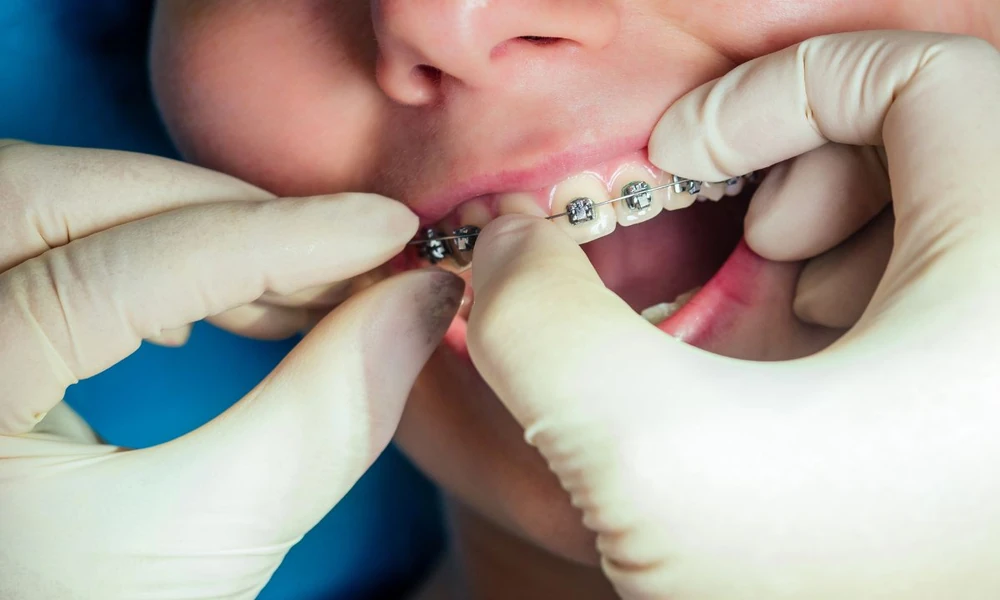
- Traditional braces: Metal braces are the most common choice. They are durable, effective, and can handle complex cases. Kids often personalize them with colorful bands, which makes the experience more fun.
- Ceramic braces: These are less noticeable than metal braces, blending in with the teeth. They are popular among older kids who want a more discreet look.
- Clear aligners: Removable trays that gradually shift teeth. They are convenient but require discipline; kids need to wear them consistently for results.
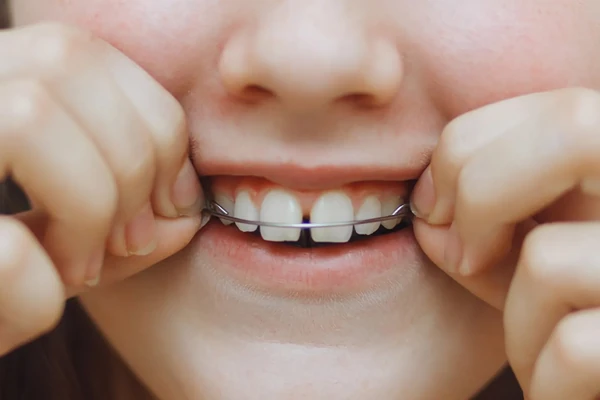
- Two‑phase treatment: This approach starts early, guiding jaw growth before permanent teeth come in, then continues with braces or aligners later. It is especially helpful for children with significant bite or spacing issues.
Factors to Consider
Choosing the right treatment is not just about what looks good; it is about what works best for your child’s needs and lifestyle.
- Age and growth stage: Some treatments are more effective when started early, while others can wait until most permanent teeth are in place.
- Complexity of the case: Severe crowding or bite issues may require traditional braces, while mild cases might be managed with aligners.
- Lifestyle and personality: Active kids who play sports may prefer options that are less likely to break. Others may value aesthetics more.
- Budget and insurance: Costs vary widely, so it is worth discussing payment plans and coverage with your orthodontist.
What Parents Can Expect
- Regular check‑ups: Whether braces or aligners, your child will need consistent visits to monitor progress.
- Diet adjustments: Sticky or hard foods can damage braces, so some changes in eating habits are necessary.
- Commitment to hygiene: Brushing and flossing become even more important during treatment.
- Treatment length: Most children wear braces or aligners for 18-24 months, though complex cases may take longer.
Final Thoughts
Choosing the right orthodontic treatment for your child is about balancing effectiveness, comfort, and confidence. Every child is different, and what works for one may not be the best fit for another. The good news is that with the guidance of experienced professionals, you do not have to make the decision alone.
