

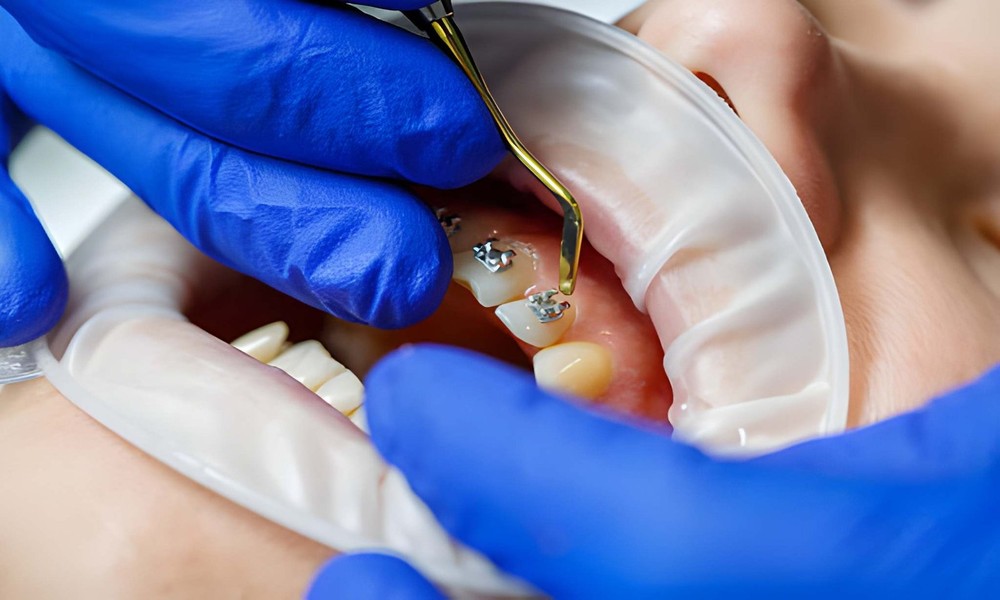
You want straight teeth. But you don’t want people to know. I hear you. Lingual braces are the sneaky solution, brackets and wires glued to the back of your teeth, facing your tongue. No one sees a thing.
How do they work? Same as regular braces: gentle, constant pressure slowly moves your teeth over many months. The only difference is location. Everything is hidden. Pretty brilliant, right?
Finding the Right Doctor (Yes, Location Matters)
So where do you go for this? If you are searching for an orthodontist in San Diego, CA, look no further than Melanie Parker Orthodontics. Dr. Parker’s team actually offers lingual braces as a real option, not every practice does. They are warm, friendly, and surprisingly down-to-earth. Plus, free consults. That means zero pressure to decide right away. I love that.
The Techy Part (But Make It Simple)
Here is how the process unfolds. First, they scan your teeth in 3D. Crazy accurate. Then each tiny bracket gets custom-made, because the back of your tooth is not flat. Not even close.
- Digital scan followed by Custom brackets and lastly Lab fabrication (takes a few weeks)
- Bonding appointment uses a special tray to place all brackets at once. Precision is everything here.
- Arch wire gets threaded through. That wire does the heavy lifting, gentle force, and constant movement.
The whole thing takes 1 to 2 hours. Bring a podcast. Or just stare at the ceiling as I did.
What Can It Fix? (And What It Cannot)
Good news: lingual braces fix most issues, such as overcrowding, gaps, overbites, underbites, and even severe rotations.
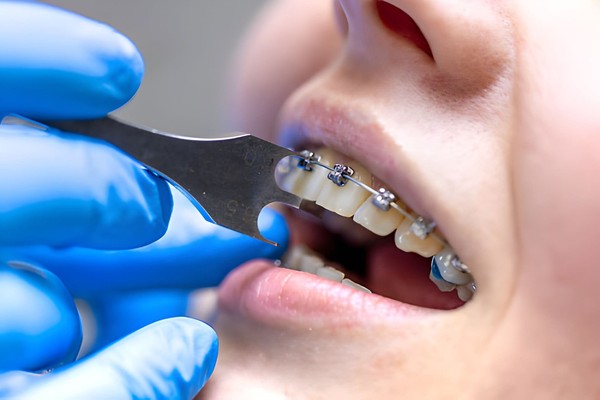
Bad news? An extremely deep overbite can cause your lower teeth to smack right into the upper brackets. That hurts. That damages things. So not every case qualifies. Bummer, I know.
The Awkward First Few Weeks (Let us Be Honest)
Your tongue will freak out. It is used to smooth tooth surfaces, not metal. You might lisp on “s” and “z.” Reading aloud to your dog helps. Seriously. Most people adapt in 2 to 3 weeks. Until then? Ortho wax is your best friend.
Cleaning? Yes, that is Trickier
You will need special tiny brushes. Flossing becomes a strategic operation, no two ways about it. But here is the upside: no white spots on the front of your teeth. Why? Because the brackets are not there to trap plaque against the visible enamel. Trade-offs, right? A little extra effort now saves you from weird spots later. Worth it, probably.
Cost & Who It is For
Lingual braces run $5,000 to $13,000. More than traditional or Invisalign. You are paying for custom brackets and extra doctor training. Worth it? For actors, lawyers, or anyone who hates metal-mouth selfies? Absolutely.
This is for adults. Self-conscious teens. People who know they would forget to wear Invisalign trays (no shame, I have forgotten too). Honestly? If hiding your treatment makes you smile before your teeth are straight, go ask about lingual braces. Just bring wax. You will thank me later.
